
Pitzhanger Manor, in what was then the village of Ealing, was the country house of Sir John Soane, one of Britain’s most influential architects. Soane bought Pitzhanger in 1800 in the hope of creating a showcase for his collection and his talents, and a family home for a dynasty of architects, starting with his young sons, John, and George.
A manor house had existed on the site of Pitzhanger since the seventeenth century, but in 1768 George Dance was commissioned to build an extension, on which a young John Soane had one of his first architectural apprenticeships. In 1800, when the house came on the market, Soane bought it for £4,500, removing much of the original building but leaving the Dance wing.
The house and gardens are a lasting testimony to Soane’s skill and imagination as an architect. In 1810, when his sons proved a disappointment, Soane sold Pitzhanger, and moved his library and collection of art and antiquities to his London home in Lincoln’s Inn Fields.
The house stayed in private hands until it was sold in 1900 to Ealing District Council. It was open as Ealing’s public library, with a new building, now Pitzhanger Gallery, built on the site of Soane’s kitchen block in 1939. Pitzhanger Manor House and Gallery opened as a heritage attraction in 1987, showing contemporary art exhibitions from 1996. It closed in 2015 for a major conservation project to restore the Manor to Soane’s original designs and upgrade the contemporary Gallery.
Mid Beds Locksmiths had the pleasure of working on this restoration project.
Winners at the RIBA National Awards, now on the longlist for the Stirling Prize as well as at the New London Awards, winning the Conservation category.
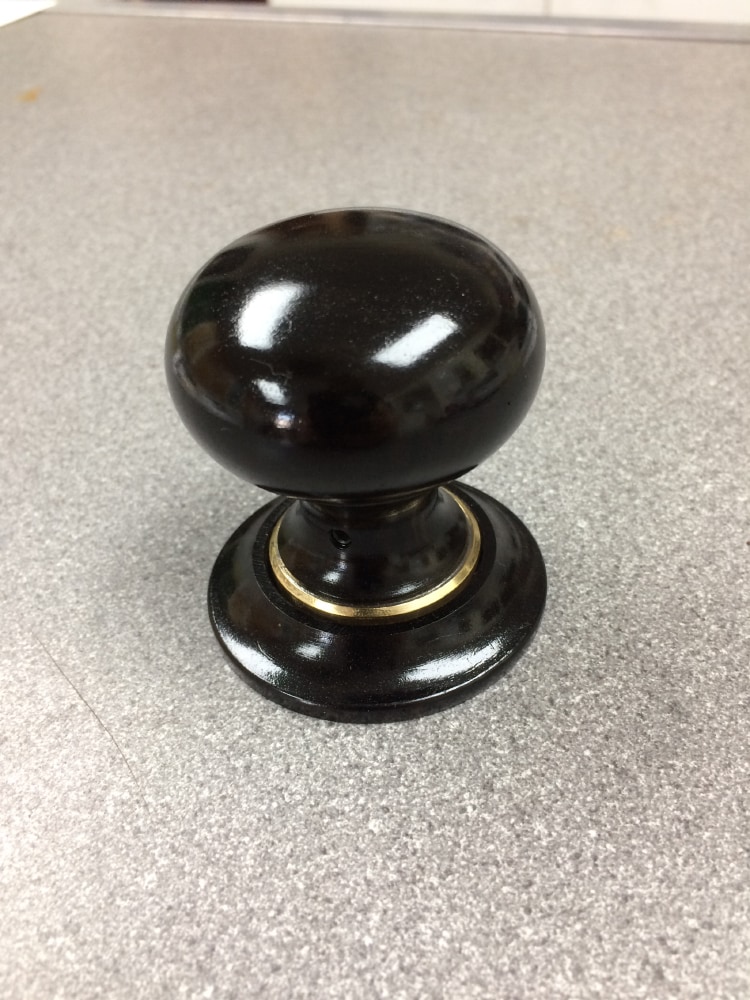
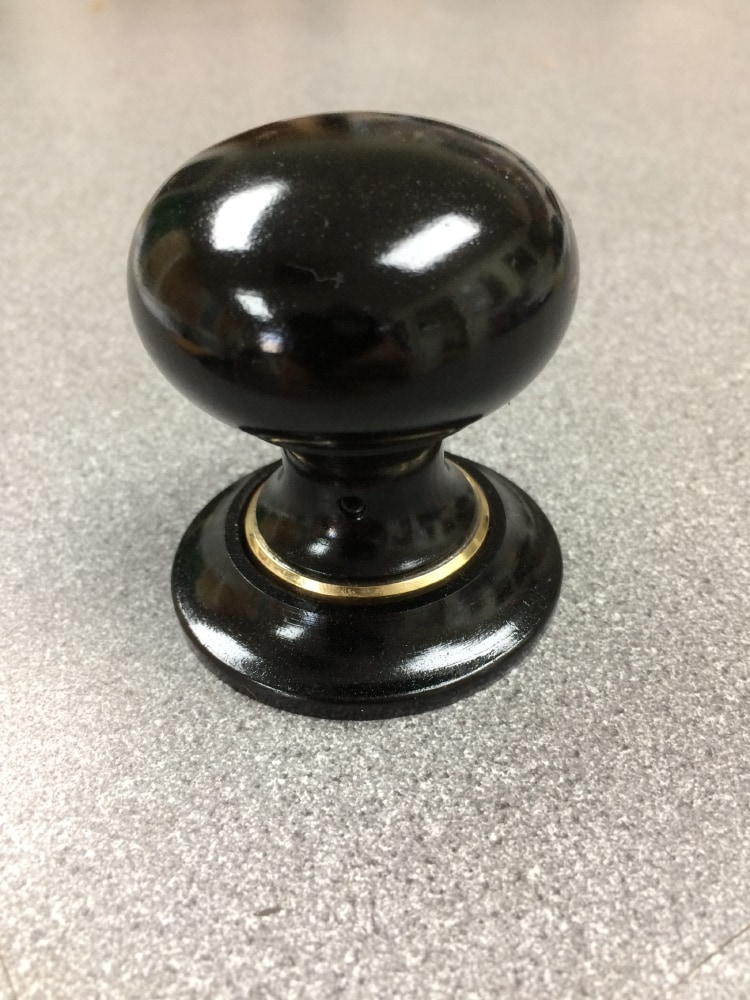
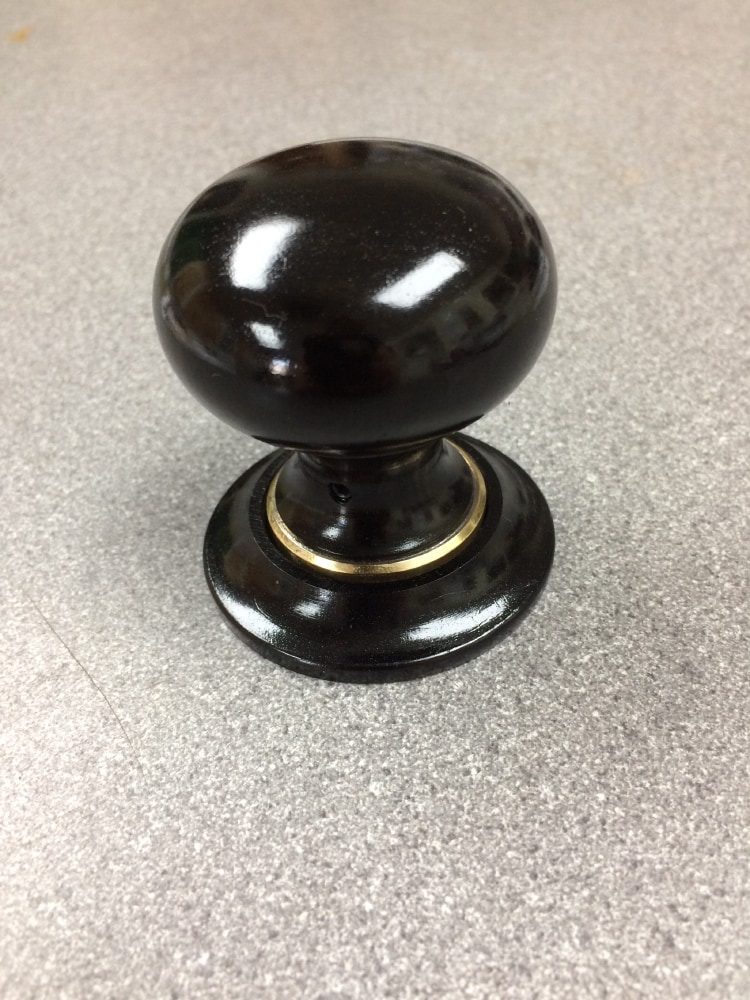
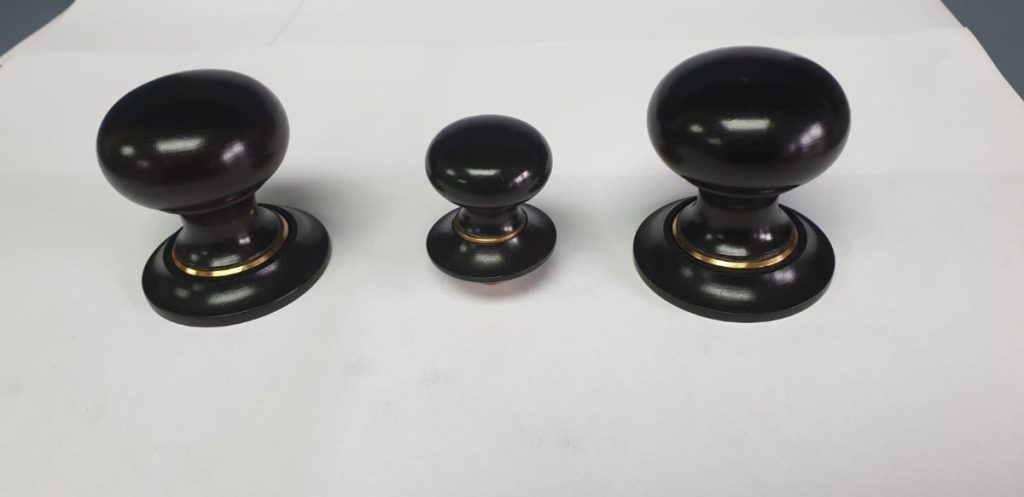
A true testament of collaboration, we worked alongside Julian Harrap Architects and Quinn London to transform Pitzhanger Manor back to the jewel that Soane designed and lived in during the 19th Century. We supplied a full ironmongery schedule and method statements of works. We restored the historic ironmongery found throughout the building and manufactured exact replicas of those parts that were missing. Some of these items were hand turned Ebony knobs and privacy turns along with ornate brass knobs for the dance wing.